
Introduction to Female Lobster
When you think of lobsters, the first image that pops into your mind is likely a delicious seafood dish. However, there’s so much more to these crustaceans than their culinary appeal. Female lobsters play a crucial role in ocean ecosystems and possess some fascinating characteristics that set them apart from their male counterparts. Dive with us as we explore five intriguing facts about female lobster that might just change how you view these underwater creatures forever!
Unique Physical Characteristics of Female Lobster
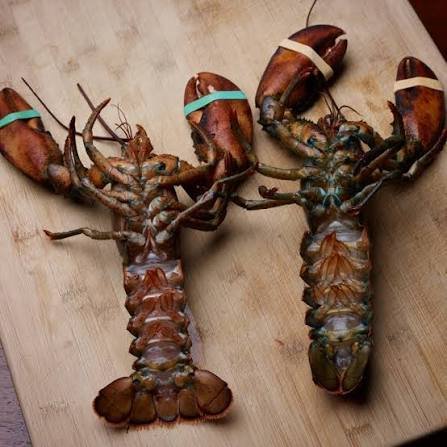
Female lobster possess some intriguing physical traits that set them apart from their male counterparts. One defining feature is the size of their claws. Females generally have smaller, more slender claws compared to males, which often boast larger and bulkier pincers.
Another remarkable characteristic is the shape of their abdomens. Female lobsters tend to have broader tails that can accommodate eggs during breeding season. This unique anatomy ensures they are well-prepared for motherhood when the time comes.
Coloration also varies among female lobsters, with a range of hues from dark blue-green to bright red-brown depending on age and habitat. Their exoskeletons can change color as they mature or during molting cycles—a fascinating adaptation in response to environmental factors.
These distinctive features not only help identify females but also play crucial roles in mating and survival in their underwater world.
Reproduction and Mating Habits of Female Lobster
Female lobsters have a fascinating approach to reproduction. They undergo a molting process, shedding their hard shell to prepare for mating. This vulnerability is temporary but crucial.
Once they molt, females release pheromones to attract males. These chemical signals can travel far underwater, drawing in potential suitors from great distances. Mating typically occurs shortly after the molt when the female’s new shell is soft and pliable.
During courtship, male lobsters often engage in elaborate displays of strength and dominance. After successful mating, females store sperm until they are ready to fertilize their eggs.
The fertilized eggs cling to her swimmerets under her tail for several months before hatching. This protective nurturing helps ensure that the young have a better chance of survival in an unpredictable environment filled with predators and competition for resources.
The Role of Female Lobster in the Ecosystem
Female lobsters play a crucial role in maintaining the balance of marine ecosystems. As they mature, these crustaceans contribute significantly to the population dynamics of their environment. Their presence helps regulate prey species and maintain healthy ocean habitats.
During mating season, female lobsters attract males by releasing pheromones. This natural process fosters genetic diversity within lobster populations. Genetic variability is vital for resilience against diseases and environmental changes.
Additionally, female lobsters provide shelter and protection for their eggs until they hatch. This nurturing behavior increases juvenile survival rates, ensuring that future generations thrive.
Furthermore, as bottom feeders, they help recycle nutrients in the ocean floor ecosystem. By consuming detritus and organic materials, female lobsters promote healthier seabeds that benefit various marine life forms.
Misconceptions about Female Lobster
Many people believe that all lobsters are identical, but there’s a world of difference between male and female lobsters. One common misconception is that female lobsters are always smaller than their male counterparts. While this can be true in some species, it’s not a universal rule.
Another myth suggests that female lobsters do not molt as frequently as males. In reality, both sexes undergo molting to grow, though females might have different patterns influenced by their reproductive cycles.
People also often think female lobsters carry their eggs for long periods without care. Actually, they protect them until they’re ready to hatch but don’t keep them indefinitely.
The notion that all lobsters are solitary creatures overlooks the fact that females may exhibit maternal behaviors after laying eggs. They can even stay close to their young during vulnerable stages of life.
Interesting Facts and Trivia about Female Lobster
Did you know that female lobsters can carry thousands of eggs at once? They brood their eggs for about nine months, showcasing impressive maternal care.
Another intriguing aspect is the color change. When a female lobster is ready to mate, her shell softens and turns a vibrant shade, signaling her readiness to potential suitors.
Female lobsters also have an interesting way of communicating. They use body language and pheromones to attract males during mating season. This subtle communication plays a crucial role in their reproductive success.
Interestingly, females tend to live longer than males in the wild—sometimes reaching over 50 years! This longevity allows them to contribute significantly to their populations over time.
Did you know that female lobsters can regenerate lost limbs? If they lose a claw or leg, they have the ability to regrow it during molting periods. Nature certainly has its wonders with these fascinating creatures!
Conclusion
The world of female lobsters is truly captivating. These unique creatures display fascinating physical traits that set them apart from their male counterparts. Their role in the ecosystem goes beyond mere reproduction; they contribute to the health and balance of marine environments.
Understanding their mating habits reveals a complex social structure that many may not expect from these crustaceans. Despite some common misconceptions, female lobsters are far more than just vessels for eggs—they are vital players in their habitats.
As you explore the ocean’s depths, remember these intriguing facts about female lobsters. The next time you encounter one, whether at a seafood restaurant or on a coastal adventure, you’ll appreciate how remarkable these creatures really are. The life of a female lobster is both mysterious and essential to our oceans’ ecosystems, making them worthy of admiration and respect.