
Introduction to the Mossy Frog
Deep within the lush, verdant jungles of Southeast Asia lies one of nature’s most intriguing amphibians: the mossy frog. Renowned for its striking resemblance to a clump of moss, this unique creature has fascinated researchers and nature enthusiasts alike. With its captivating appearance and remarkable adaptations, the mossy frog is more than just an oddity; it’s a testament to the wonders of evolution and biodiversity in our world. Join us as we explore five fascinating facts about this extraordinary frog that highlight why it deserves our admiration and protection.
Appearance and Characteristics
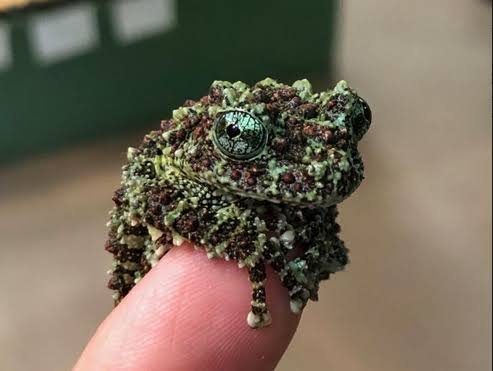
The mossy frog is a remarkable creature, often celebrated for its astonishing camouflage. Its skin is adorned with intricate patterns of green and brown, mimicking the appearance of lichen or moss. This adaptation allows it to blend seamlessly into its surroundings.
In terms of size, the mossy frog isn’t particularly large; it measures around 2 to 3 inches in length. However, what it lacks in stature, it makes up for with character. The texture of its skin resembles that of a rough patch of bark or stone.
Another striking feature is its bulbous eyes. They provide excellent vision in low-light conditions, aiding in hunting and evading predators. Each detail contributes to making this amphibian not just visually captivating but also uniquely suited to life among damp foliage and rocky surfaces.
Habitat and Distribution
The mossy frog, known for its remarkable camouflage, thrives in a very specific environment. It is primarily found in the lush forests of Vietnam. These frogs favor high-altitude areas where humidity levels are consistently elevated.
Their preferred habitat includes rocky streams and damp leaf litter. This environment provides both food and safety from predators. The dense vegetation offers perfect cover, allowing them to blend seamlessly into their surroundings.
Mossy frogs have an interesting distribution pattern; they are endemic to certain regions and not widespread outside their native range. This limited distribution makes them particularly vulnerable to environmental changes.
As deforestation encroaches upon their habitats, these unique creatures face increasing challenges in finding suitable living conditions. Their survival depends heavily on the preservation of their natural environments, making conservation efforts crucial for maintaining populations.
Unique Adaptations for Survival
The mossy frog has developed remarkable adaptations that enhance its survival in the wild. Its most striking feature is its camouflage. The skin texture resembles lichen and moss, allowing it to blend seamlessly into its forest habitat.
This unique coloration not only helps avoid predators but also aids in ambushing prey. When resting on a damp rock or branch, the mossy frog can stay hidden from both curious eyes and unsuspecting insects.
Additionally, this species exhibits a fascinating reproductive strategy. Instead of laying eggs in water, they prefer moist environments where tadpoles can thrive once hatched. This method reduces predation risks during early life stages.
Moreover, their ability to absorb moisture from the air through their skin provides them with hydration even in humid conditions. These specialized traits showcase how evolution equips the mossy frog for survival amidst challenges in their environment.
Threats and Conservation Efforts
The mossy frog faces significant threats due to habitat loss. Deforestation and urbanization have led to the destruction of its natural environment in Vietnam’s rainforests. As these areas diminish, so does the survival rate of this unique amphibian.
Pollution is another major concern. Pesticides and waste runoff contaminate water sources, affecting both the frogs and their prey. These chemicals disrupt ecosystems and can lead to decreased populations.
Conservation efforts are underway, focusing on habitat preservation and restoration. Organizations are working closely with local communities to promote sustainable practices that protect the mossy frog’s home.
Captive breeding programs also play a vital role in keeping this species alive. By increasing population numbers in controlled environments, scientists aim to reintroduce them into their native habitats when conditions improve.
Public awareness campaigns highlight the importance of biodiversity, encouraging people to appreciate these remarkable creatures before they vanish from our planet.
Interesting Behaviors and Reproduction
The mossy frog’s behavior is just as captivating as its appearance. Known for their camouflage, these frogs blend seamlessly into their surroundings, making them masters of disguise. This adaptation not only helps in evading predators but also plays a role during mating season.
During reproduction, males emit distinctive calls to attract females. These vocalizations can vary significantly depending on the individual frog’s characteristics and environment. Once a female selects her mate, she lays eggs on the moist surfaces near water bodies.
After hatching, tadpoles remain hidden among foliage to avoid potential threats. The mossy frog’s unique reproductive strategy ensures that offspring have a higher chance of survival in their natural habitat. Their behaviors showcase an intricate balance between survival instincts and reproductive success—truly remarkable traits of this species!
Conclusion: Appreciating the Fascinating Mossy Frog
The mossy frog is a true marvel of nature. Its unique appearance, with textures resembling the forest floor, showcases the beauty of evolutionary adaptation. Found primarily in Vietnam, these frogs are adept at blending into their surroundings, ensuring they remain hidden from predators.
Their habitat is just as intriguing. Mossy frogs thrive in damp rainforests where humidity levels are high and vegetation is lush. This specific environment plays a crucial role in their survival and reproduction.
Unique adaptations further enhance their ability to survive. The mossy frog’s skin not only camouflages them but also helps retain moisture—a vital factor for amphibians living in tropical climates. Such features highlight the intricate connections between species and their environments.
However, challenges loom over this captivating creature. Habitat destruction poses significant threats to its population, prompting conservation efforts aimed at preserving both the mossy frog and its rainforest home.
Observing the behaviors of these frogs adds another layer to our appreciation of them. Their mating rituals and protective parenting reveal social dynamics that reflect resilience against external pressures.
Understanding and valuing species like the mossy frog can inspire us to take action towards preservation efforts worldwide. Each fascinating detail about this extraordinary amphibian invites curiosity, reminding us that every species plays an essential role in maintaining ecological balance.