

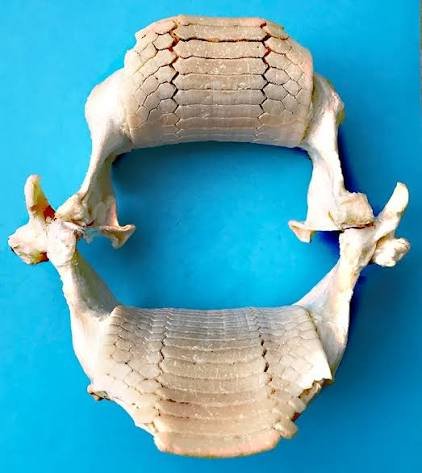
Introduction to Stingrays and their Teeth
Stingrays are often overlooked creatures of the ocean, gliding gracefully along sandy sea floors. With their flat bodies and graceful movements, they capture our fascination. But have you ever paused to consider their teeth? Unlike traditional sharp fangs or intimidating rows of pointy canines seen in many predators, stingray teeth possess unique features that reveal much about these amazing animals. These structures play a vital role in their survival while also holding secrets that may surprise you. Let’s dive into the hidden wonders of stingray teeth and explore what makes them so remarkable.
The Function of Stingray Teeth
Stingray teeth play a crucial role in their survival. Unlike traditional teeth, these structures are designed for grinding and crushing rather than biting. This adaptation allows stingrays to feed on hard-shelled prey such as mollusks and crustaceans.
The teeth are arranged in rows, constantly replaced throughout the stingray’s life. As older teeth wear down or break, new ones emerge, ensuring they’re always equipped to handle their meals.
This dental design not only aids in feeding but also links closely to their habitat. Stingrays often bury themselves in sandy ocean floors while hunting for food. Their unique tooth structure helps them efficiently process whatever they unearth from the substrate.
In essence, stingray teeth are specialized tools that reflect an evolutionary response to dietary needs and environmental challenges faced by these fascinating creatures.
Types of Stingray Teeth
Stingray teeth come in a variety of shapes and sizes, tailored to their unique feeding habits. Unlike traditional fish teeth, these structures are often flat and plate-like. This design allows stingrays to efficiently crush hard-shelled prey such as mollusks and crustaceans.
There are two primary types of stingray teeth: crushing and grinding. Crushing teeth have sharp edges that help break into the shells of their meals, while grinding teeth offer a smoother surface for mashing softer food items.
The arrangement of these teeth varies among species too. Some stingrays possess rows of closely packed plates, enhancing their ability to process tough food sources. Others might display more spaced-out formations that allow for greater flexibility during feeding.
Each type serves an important role in the survival strategy of its respective stingray species, enabling them to thrive in diverse marine environments.
Unique Properties of Stingray Teeth
Stingray teeth are truly remarkable. Unlike traditional fish teeth, they possess unique structural properties that set them apart. Made primarily of dentin, a material similar to bone, these teeth are incredibly durable and effective.
Their surface is often covered in small enamel-like structures called “micropatterns.” These patterns help increase grip when feeding, making it easier for stingrays to crush their prey.
Another fascinating aspect is the arrangement of these teeth. They grow in rows and can regenerate throughout the stingray’s life. This ensures that even if some wear down over time, new ones will replace them without missing a beat.
Additionally, their flat design makes them ideal for bottom-feeding habits. The wide shape allows stingrays to sift through sand or mud effortlessly while searching for food hidden below the surface.
Uses of Stingray Teeth in Traditional Medicine
Stingray teeth have found their place in various traditional medicine practices, particularly in cultures that emphasize natural remedies. The unique structure of these teeth makes them highly valuable.
In some regions, stingray teeth are believed to possess healing properties. They are often ground into powder and used as a supplement for enhancing overall health. This practice stems from the belief that they can help with ailments ranging from joint pain to digestive issues.
Moreover, certain indigenous groups use stingray teeth in rituals aimed at promoting strength or courage. It’s fascinating how such a simple biological feature has woven itself into cultural narratives and healing traditions.
These applications highlight an ongoing connection between nature and human wellness. While modern science continues to explore these claims, the historical significance of stingray teeth remains deeply rooted within many communities around the world.
Conservation Efforts for Protecting Stingrays and their Teeth
Conservation efforts for stingrays focus on protecting their habitats and ensuring sustainable fishing practices. Many species face threats from overfishing, habitat destruction, and pollution.
Organizations worldwide are raising awareness about these majestic creatures and the vital role they play in marine ecosystems. Educational programs aim to inform communities about the importance of stingray conservation.
Marine protected areas (MPAs) have also been established to provide safe environments where stingrays can thrive free from human interference. These zones help preserve not only stingray populations but also their unique teeth.
Collaborative initiatives between governments, NGOs, and local fishermen promote responsible fishing methods that minimize bycatch of stingrays. Such partnerships are crucial for maintaining healthy ocean biodiversity.
Research is ongoing to better understand stingray biology and ecology, informing effective conservation strategies tailored to specific species needs. Protecting these fascinating creatures ensures future generations can appreciate the wonders of nature in our oceans.
Conclusion: The Fascinating World of Stingray Teeth
The exploration of stingray teeth reveals a world that is both fascinating and intricate. These unique dental structures serve important functions in the lives of stingrays, allowing them to thrive in their aquatic environments. From their role in capturing prey to the various types that evolve based on diet and habitat, each detail adds depth to our understanding.
Stingray teeth are not just biological curiosities; they possess remarkable properties that make them valuable beyond the ocean’s depths. Their use in traditional medicine showcases how nature often holds the key to healing practices across cultures. As we learn more about these creatures, it becomes increasingly clear how vital conservation efforts are for protecting not only stingrays but also their unique adaptations.
As researchers continue to uncover the mysteries surrounding stingray teeth, we gain a greater appreciation for these incredible marine animals. The hidden wonders of their anatomy remind us of nature’s genius and encourage us to protect these magnificent beings for future generations.