
Introduction to the Goblet Drum
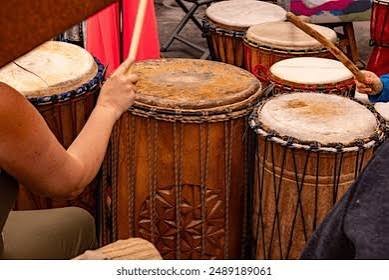
The goblet drum, often known as the “doumbek” or “darbuka,” is a mesmerizing instrument that has captivated musicians for centuries. With its unique shape and rich sound, it holds a special place in diverse musical traditions around the world. Whether you’re drawn to Middle Eastern rhythms or contemporary fusion, playing the goblet drum can transport you to another realm of creativity.
- Introduction to the Goblet Drum
- Choosing the Right Goblet Drum
- Proper Hand and Finger Placement
- Learning Basic Rhythms and Techniques
- Tips for Improving Speed and Precision
- Utilizing Different Hand Percussion Instruments
- Finding Inspiration and Creativity in Playing the Goblet Drum
- Common Mistakes to Avoid
- Maintaining Your Goblet Drum
- Conclusion
But what makes this percussion instrument so enchanting? It’s not just about hitting a surface; it’s about creating an experience—an intricate dance between your hands and heart. As you embark on your journey with the goblet drum, there are essential tips and techniques that will help you unlock its full potential. Let’s dive into some expert advice to elevate your drumming skills!
Choosing the Right Goblet Drum
Choosing the right goblet drum is crucial for your musical journey. With various sizes, materials, and designs available, it’s important to find one that resonates with you.
Start by considering the sound quality. Drums made from high-quality wood or synthetic materials tend to produce richer tones. Listen closely to different models before making a decision.
Next, think about size. A larger drum offers deeper bass sounds while a smaller one provides higher pitches and portability. Your playing style can influence this choice too.
Don’t forget aesthetics! The design of the goblet drum should inspire you every time you play it. Look for intricate patterns or colors that reflect your personality.
Consider your budget. While some drums are more expensive due to craftsmanship, there are plenty of affordable options that still deliver great sound quality.
Proper Hand and Finger Placement
Proper hand and finger placement is crucial when playing the goblet drum. Your grip influences both tone and control. Start by relaxing your hands; tension can hinder your performance.
Position your dominant hand over the drumhead, fingers slightly curved. The fingertips should strike the surface for a crisp sound, while the palm can make bass tones when pressed against the body of the drum.
Your non-dominant hand plays a supportive role. It often stabilizes the goblet drum or adds depth to rhythms with muted taps. Experiment with different placements—try using just fingertips versus flat palms to discover unique sounds.
Focus on fluid movements rather than rigid strikes. This will enhance your rhythm and allow you to explore various beats more freely. Each adjustment in position opens up new possibilities for expression on this versatile instrument.
Learning Basic Rhythms and Techniques
Learning basic rhythms on the goblet drum opens a world of musical expression. Start with simple beats, allowing your hands to find their natural flow.
Begin by mastering the fundamental sounds: “doum,” “tak,” and “ka.” Each produces distinct tones that form the backbone of many patterns. Practice these individually before combining them into more complex sequences.
Listening is essential too. Explore different styles through recordings or live performances. Immersing yourself in various genres will inspire creativity and broaden your rhythm vocabulary.
Use a metronome to keep time while you practice. This tool helps develop timing and consistency, two critical elements for any musician.
Don’t shy away from experimenting with dynamics; play softly one moment, then build intensity as you gain confidence. Embrace mistakes along the way—they’re part of learning! Keep exploring new techniques until they become second nature in your playing journey.
Tips for Improving Speed and Precision
Improving speed and precision on the goblet drum requires focused practice. Start with slow, deliberate strokes. Gradually increase your tempo as you become comfortable.
Use a metronome to keep time. This tool helps build consistency in rhythm and can push you to challenge yourself at higher speeds without losing control.
Focus on finger independence. Practice exercises that isolate fingers to develop strength and coordination. This will enhance your ability to execute faster patterns cleanly.
Record yourself playing. Listening back can reveal areas for improvement that you might not notice in real-time. Adjust accordingly based on what you hear.
Incorporate warm-ups into your routine. Simple rudiments will prepare your hands while reducing tension, allowing for smoother play when increasing speed later on.
Utilizing Different Hand Percussion Instruments
Exploring various hand percussion instruments can elevate your goblet drum playing. Each instrument brings its own unique sound and texture, allowing for richer musical compositions.
Consider incorporating shakers or tambourines into your practice. These add layers to your rhythm, enhancing the overall groove of a piece.
Djembe drums are another great addition. Their diverse tones complement the goblet drum beautifully, creating dynamic interplay between different sounds.
Experiment with finger cymbals as well. The bright chime they produce can punctuate your rhythms effectively, adding an exciting dimension to your performance.
Don’t forget about clapping hands! It’s a simple yet powerful way to reinforce the beat and engage with others in a jam session.
By mixing these elements into your routine, you’ll discover new ways to express yourself through music while keeping things fresh and interesting.
Finding Inspiration and Creativity in Playing the Goblet Drum
Finding inspiration while playing the goblet drum can transform your musical journey. It’s not just about technique; it’s about emotion and expression.
Listening to various genres of music can open new pathways for creativity. From traditional folk tunes to modern beats, each style offers unique rhythms that you can incorporate into your practice.
Experimenting with different environments also sparks ideas. Try drumming in nature, surrounded by trees or near flowing water. The sounds around you might influence your rhythm and inspire fresh patterns.
Collaborating with other musicians expands your creative horizons too. Sharing ideas and techniques can lead to unexpected discoveries in sound.
Don’t shy away from improvisation. Letting go of structure every so often allows spontaneity to flow through your hands onto the drum skin, creating something truly original each time you play.
Common Mistakes to Avoid
One common mistake many beginners make is not tuning their goblet drum properly. A well-tuned drum produces rich, resonant sounds that enhance your playing experience.
Another frequent error is neglecting hand positioning. Using incorrect finger and palm placements can lead to discomfort and limit the quality of sound you produce.
Many players also rush into complex rhythms without mastering basics first. It’s essential to build a strong foundation before adding speed or complexity.
Forgetting about dynamics is another pitfall. Playing at the same volume throughout makes music feel flat. Varying your intensity adds depth and emotion to your performances.
Some drummers overlook the importance of practice routines. Consistent practice helps develop muscle memory, ensuring improvement over time rather than sporadic bursts of effort that yield little progress.
Maintaining Your Goblet Drum
Maintaining your goblet drum is essential for preserving its sound and longevity. Regular care can enhance your playing experience significantly.
Start by keeping the drum clean. Dust and dirt can accumulate, affecting its tone. Use a soft cloth to wipe down the surface regularly. Avoid harsh chemicals that could damage the finish.
Humidity plays a crucial role in maintaining sound quality. Store your goblet drum in a climate-controlled environment to prevent warping or cracking.
Check the skin tension periodically. If it feels loose, you may need to tighten it for optimal performance. Many drums have adjustable tuning mechanisms for this purpose.
Consider professional maintenance if needed. A skilled technician can address any issues beyond basic upkeep, ensuring your instrument stays in top form for years to come.
Conclusion
Mastering the goblet drum can be an incredibly rewarding journey. By choosing the right instrument, understanding proper hand placement, and learning basic rhythms, you set a solid foundation for your playing. Focusing on speed and precision will elevate your skills further.
Exploring different percussion instruments opens new avenues for creativity and inspiration. It’s essential to avoid common mistakes that can hinder progress while also taking care of your goblet drum to ensure it lasts through many musical sessions.
With dedication and practice, anyone can unlock the beauty of this unique percussion instrument. Embrace each challenge as part of the process—your rhythm awaits!