
Introduction to Rare Fisheries
The ocean is a vast and mysterious world, teeming with life that often goes unnoticed. Among its many inhabitants are rare fisheries—species that not only capture our imagination but also highlight the fragility of marine ecosystems. These unusual creatures have adapted to unique environments, showcasing nature’s incredible diversity. However, they face numerous threats from climate change, pollution, and habitat destruction. In this blog post, we’ll explore five fascinating rare fisheries that deserve our attention and protection. Each one tells a story about resilience and the importance of preserving our planet’s biodiversity for future generations. Join us as we dive into these remarkable aquatic wonders!
- Introduction to Rare Fisheries
- The Importance of Protecting Rare Fisheries
- The Coelacanth Fish: A Living Fossil
- The Devils Hole Pupfish: Surviving in Extreme Conditions
- The Megamouth Shark: A Gentle Giant
- The Red Handfish: Walking on the Sea Floor
- Conclusion: Why We Should Appreciate and Preserve Rare Fisheries
The Importance of Protecting Rare Fisheries
Rare fisheries are not just fascinating; they play a crucial role in maintaining marine biodiversity. Each unique species contributes to the intricate web of life in our oceans.
These fish often serve as indicators of environmental health. Their well-being reflects the state of their ecosystems, making them vital for scientific research and conservation efforts.
Moreover, protecting rare fisheries can benefit local economies reliant on fishing tourism. Enthusiasts travel far and wide to witness these extraordinary creatures, providing income and jobs for communities.
Climate change and habitat destruction threaten these delicate populations. By raising awareness about their plight, we empower conservation initiatives that can make a difference.
Preserving rare fisheries also fosters a deeper understanding of our planet’s history. Many have existed for millions of years, offering insights into evolutionary processes that shaped life as we know it today.
The Coelacanth Fish: A Living Fossil
The coelacanth fish is often called a living fossil, and for good reason. This ancient species has been swimming in our oceans for over 400 million years. Imagine sharing the planet with creatures that have witnessed the rise and fall of dinosaurs!
Once thought to be extinct, it made a stunning reappearance in 1938 off the coast of South Africa. Its discovery captivated scientists and marine enthusiasts alike.
What sets the coelacanth apart? It has unique lobed fins that resemble limbs, hinting at its evolutionary past—an indicator of life transitioning from water to land.
These remarkable fish dwell deep in the ocean’s depths, making them elusive and mysterious. Their striking blue color and intricate patterns make them even more fascinating to study. The coelacanth continues to challenge our understanding of evolution and biodiversity today.
The Devils Hole Pupfish: Surviving in Extreme Conditions
The Devils Hole pupfish is a tiny creature with an extraordinary story. Found only in a single, deep water-filled cavern in Nevada, this fish has adapted to one of the harshest environments on Earth.
With a length of just over an inch, these vibrant blue and yellow fish thrive despite extreme temperatures and fluctuating water levels. Their home, Devils Hole, is part of an underground aquifer that offers limited resources but precise conditions for survival.
During periods of drought or flooding, pupfish populations dwindle alarmingly. This resilience showcases nature’s ability to endure hardship while reminding us how fragile ecosystems can be.
Conservation efforts are crucial for their continued existence. Protecting their habitat means understanding the delicate balance they rely on and ensuring that human interference does not disrupt it further. The fight to save the Devils Hole pupfish exemplifies our responsibility toward preserving rare fisheries around the globe.
The Megamouth Shark: A Gentle Giant
The Megamouth Shark is one of the ocean’s most fascinating creatures. With its enormous mouth and unique appearance, it captures the imagination of marine enthusiasts and scientists alike.
Discovered in 1976, this elusive shark can grow up to 18 feet long. Its large jaw opens wide to filter-feed on plankton, making it a gentle giant of the deep sea.
Unlike many other sharks, the Megamouth is not a threat to humans. It drifts through warm waters with an almost serene demeanor.
Its rarity adds to its allure; only about 100 confirmed sightings have been recorded worldwide. This makes understanding their behavior and habitats even more challenging.
Conservation efforts are crucial for protecting such unique species as human activity continues to impact oceans globally. Preserving their habitats ensures that future generations may still marvel at these majestic creatures swimming gracefully beneath the waves.
The Red Handfish: Walking on the Sea Floor
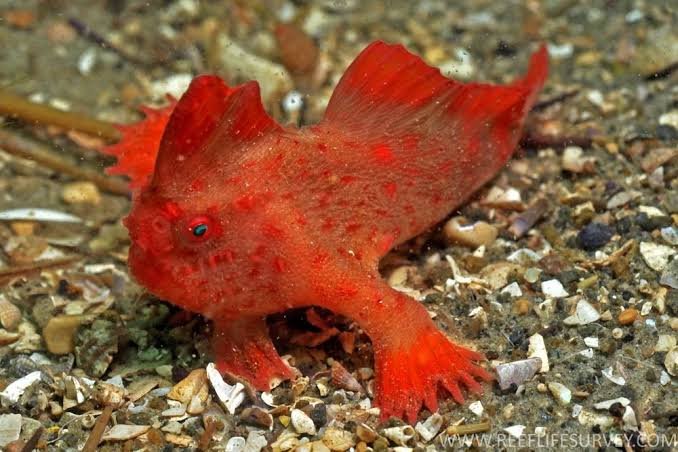
The Red Handfish is a remarkable creature that captures the imagination with its unusual mode of locomotion. Unlike most fish, it doesn’t rely on swimming. Instead, it “walks” along the seafloor using its unique pectoral fins.
This vibrant species can be found in the waters off Tasmania. Its bright red coloration makes it stand out against the rocky substrate. Unfortunately, this striking appearance has not protected it from threats like habitat loss and pollution.
These fish are masters of camouflage, often blending into their surroundings to evade predators. Their limited distribution adds to their rarity and vulnerability. Conservation efforts are crucial for ensuring that future generations can appreciate these extraordinary creatures.
With fewer than 100 individuals estimated in some areas, every sighting is significant. Protecting their habitat is essential for maintaining this rare fish’s survival in our oceans.
Conclusion: Why We Should Appreciate and Preserve Rare Fisheries
Rare fisheries are not just intriguing; they embody the delicate balance of our ecosystems. Each unique species plays a vital role in its environment, contributing to biodiversity and helping maintain ecological harmony.
Preserving these rare fisheries is crucial for several reasons. First, they often have historical significance that connects us to Earth’s evolutionary past. For instance, the coelacanth fish has survived for millions of years, offering insights into ancient marine life.
Moreover, protecting these species can lead to better understanding and advancements in science. The adaptation strategies of the Devils Hole pupfish provide valuable lessons about survival under extreme conditions which could inform conservation efforts globally.
We also must consider the cultural aspects tied to rare fisheries. Many communities depend on local aquatic life both economically and socially. Loss of such species could disrupt livelihoods and diminish cultural heritage.
As stewards of this planet, it’s our responsibility to appreciate these wonders and take action towards their preservation. By advocating for policies that protect fragile ecosystems or supporting sustainable practices in fishing industries, we contribute positively toward the future health of our oceans.
In recognizing the value found within rare fisheries—whether through science, culture or sheer fascination—we foster a greater respect for nature’s diversity. This awareness is essential as we move forward together on this shared journey toward sustainability.