
Introduction to Madagascar and its Lemurs
Welcome to the enchanting land of Madagascar, a paradise that feels like stepping into a living postcard. This island nation, isolated for millions of years, boasts unique flora and fauna found nowhere else on Earth. Among its most captivating residents are the lemurs—adorable primates with soulful eyes and playful antics. They swing through trees in a vibrant display of life and energy, drawing visitors from around the globe who are eager to witness their charm firsthand.
Madagascar’s lemurs aren’t just cute; they represent an ancient lineage that offers insight into evolution itself. With over 100 species residing here, each one has its own distinctive traits and behaviors waiting to be discovered. Join us as we delve deeper into this mysterious world where these remarkable creatures thrive amid breathtaking landscapes and rich biodiversity. Whether you’re planning a trip or simply curious about nature’s wonders, there’s much to explore in the fascinating realm of Madagascar lemurs.
The Different Types of Lemurs Found in Madagascar
Madagascar is home to a remarkable variety of lemurs, each with unique traits and behaviors. The ring-tailed lemur stands out with its distinctive black-and-white tail, often seen basking in the sun or socializing in groups.
The indri, one of the largest species, is known for its haunting calls that echo through the rainforest. Its lack of a long tail sets it apart from other lemurs.
Then there’s the mouse lemur, which holds the title as the world’s smallest primate. These tiny creatures are nocturnal and have large eyes adapted for night vision.
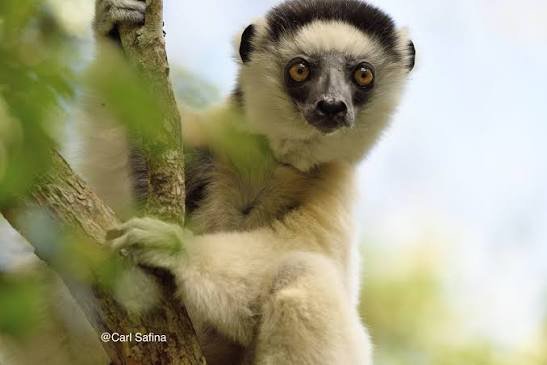
Lesser-known but equally fascinating are sifakas, recognized for their graceful leaps between trees. Their striking appearance includes fluffy fur and an expressive face.
Each type plays an essential role in Madagascar’s ecosystem while captivating those fortunate enough to observe them up close.
Habitat and Behavior of Lemurs
Madagascar lemurs are fascinating creatures, primarily found in the lush rainforests of Madagascar. These primates thrive in diverse habitats, from dry deciduous forests to unique spiny deserts. Their adaptability is remarkable.
Lemurs are social animals often seen living in groups called troops. These troops can vary in size and structure, typically led by a dominant female. This matriarchal society plays a crucial role in their behaviors and interactions.
Foraging for food is an essential part of their daily routine. Lemurs have varied diets that include fruits, leaves, insects, and even flowers. Some species prefer specific types of vegetation based on seasonal availability.
Communication among lemurs is equally intriguing. They use vocalizations like calls and grunts to convey messages about food sources or predators nearby. Body language also plays a vital role in expressing emotions within the troop dynamics.
Threats to the Survival of Madagascar Lemurs
Madagascar lemurs face numerous challenges that threaten their existence. Habitat destruction is among the most pressing issues. Deforestation for agriculture and logging has led to significant loss of their natural homes.
Additionally, poaching poses a severe risk. Some species are hunted for bushmeat or captured for the illegal pet trade. This not only reduces their numbers but also disrupts local ecosystems.
Climate change adds another layer of complexity. Shifts in weather patterns affect food availability and habitat viability, making survival more difficult.
Human-wildlife conflict further complicates matters as lemurs sometimes raid crops, leading to retaliatory killings by farmers trying to protect their livelihoods.
Each of these threats compounds the others, creating a precarious situation for Madagascar’s unique primates. Protecting them requires urgent action on multiple fronts if we are to preserve these fascinating creatures for future generations.
Conservation Efforts for Lemurs
Conservation efforts for Madagascar lemurs are crucial to their survival. Various organizations work tirelessly to protect these unique primates and their habitats from degradation.
One significant initiative involves habitat restoration. By reforesting areas where lemurs thrive, conservationists aim to create safe environments for them to flourish. This approach not only aids lemurs but also supports the entire ecosystem.
Community engagement plays a vital role in conservation strategies. Local populations are educated on the importance of preserving wildlife. When communities see the value in protecting lemurs, they become active participants in safeguarding their future.
Additionally, breeding programs have been established to support endangered species like the Indri and Aye-aye. These programs ensure genetic diversity while raising awareness about these fascinating creatures.
Research efforts continue to uncover more about lemur behavior and ecology, informing effective protective measures that can be implemented across Madagascar’s diverse landscapes.
Fascinating Facts about Madagascar Iemurs
Madagascar lemurs are truly unique creatures. They exist nowhere else in the world, making them a symbol of biodiversity.
These primates come in various shapes and sizes. The smallest is the mouse lemur, weighing just about 2 ounces. In contrast, the indri can reach up to 10 pounds!
Lemurs have an incredible sense of smell. Unlike many primates that rely more on vision, these animals use scent for communication and social interactions.
Their eyes are captivating too; large and round, they provide excellent night vision. This adaptation helps them thrive during twilight hours when food is most abundant.
Socially complex, lemurs often live in matriarchal groups led by females. This structure fosters cooperation and strong bonds among members.
Some species exhibit remarkable vocalizations—each with distinct meanings. From grunts to howls, their songs fill Madagascar’s forests with life!
How to Experience Madagascar and its Lemurs
Madagascar offers an array of adventures for those eager to encounter its famous lemurs. Start your journey in Andasibe-Mantadia National Park, where you can hear the haunting calls of the indri. Guided night walks reveal nocturnal species like the mouse lemur.
Next, visit the Avenue of the Baobabs near Morondava. Witness stunning sunsets while keeping an eye out for sifakas leaping through trees.
Don’t miss Lemur Island at Vakona Forest Lodge. Here, you can interact closely with habituated lemurs, creating unforgettable memories and photographic opportunities.
For a unique experience, venture into Tsingy de Bemaraha National Park. The dramatic limestone formations provide not only breathtaking views but also habitats for rare lemurs such as Decken’s sifaka.
Consider community-based tourism options that support local conservation efforts while giving you a chance to learn about Madagascar’s culture and wildlife up close.
Conclusion
Madagascar is a treasure trove of biodiversity, and its lemurs are undoubtedly one of the most captivating aspects. With over 100 species exhibiting unique characteristics, these primates showcase an incredible array of behaviors and adaptations. Their natural habitats range from dense rainforests to dry spiny forests, each offering a glimpse into their fascinating lives.
However, the survival of Madagascar’s lemurs hangs in the balance due to threats like habitat destruction and poaching. Conservation efforts play a vital role in protecting these remarkable creatures for future generations. Organizations are actively working on initiatives that promote sustainable practices and protect the delicate ecosystems where lemurs thrive.
Visiting Madagascar offers an opportunity not just to observe these enchanting animals but also to immerse oneself in their world. Eco-tours provide guided experiences through lush jungles, allowing travelers to witness lemurs leaping between branches or basking lazily under the sun.
The enigmatic allure of Madagascar’s lemurs continues to inspire awe among researchers and nature enthusiasts alike. Exploring this island nation promises unforgettable encounters with its wildlife while highlighting the importance of conservation efforts needed to secure a future for these extraordinary beings.