
Introduction to Baitrunner Reels
If you’re an angler looking to enhance your fishing experience, mastering baitrunner reels is essential. These innovative tools have transformed the way many fish, providing more control and versatility on the water. Whether you’re targeting species that require a light touch or setting up for a big catch, understanding how to use baitrunner reels can make all the difference.
- Introduction to Baitrunner Reels
- The Advantages of Using Baitrunner Reels
- Understanding the Different Parts and Functions of a Baitrunner Reel
- Choosing the Right Baitrunner Reel for Your Fishing Needs
- How to Properly Set Up and Adjust Your Baitrunner Reel
- Tips for Maintaining and Extending the Lifespan of Your Baitrunner Reel
- Common Mistakes to Avoid When Using a
Imagine being able to let your bait move naturally while maintaining tension for that perfect strike—this is where baitrunner reels shine. With their unique design and features, they offer benefits that traditional spinning or casting reels simply can’t match.
In this step-by-step guide, we’ll dive deep into everything you need to know about baitrunner reels—from their advantages and components to setup tips and common pitfalls. Get ready to take your fishing game to the next level!
The Advantages of Using Baitrunner Reels
Baitrunner reels offer an array of benefits that can elevate your fishing experience. One standout advantage is their ability to handle live bait effectively. The free-spool mechanism allows the bait to move naturally, enticing fish and increasing your chances of a catch.
These reels provide excellent drag systems designed for smoother line release under pressure. This feature is particularly useful when larger fish strike suddenly, allowing you to respond quickly without losing tension.
Another key benefit lies in versatility. Baitrunner reels are suitable for various fishing styles, whether targeting freshwater species or going after saltwater giants. Their adaptability makes them a must-have for anglers looking to diversify their techniques.
They often come with durable construction materials that withstand harsh conditions. Investing in a reliable baitrunner reel means equipping yourself with gear built for longevity in the field.
Understanding the Different Parts and Functions of a Baitrunner Reel
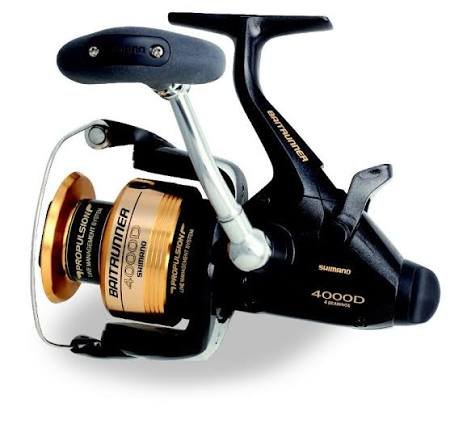
A baitrunner reel consists of several key components, each playing a vital role in its functionality. The spool is where your line is stored. It allows for smooth casting and retrieval.
The bail arm controls the line’s release when you’re casting or letting out bait. A well-functioning bail ensures that your line flows freely without tangles.
One of the standout features is the baitrunner system itself. This mechanism lets fish take the bait while giving them minimal resistance, making it easier for you to hook them later.
The drag system regulates how much pressure a fish feels when pulling on the line. Fine-tuning this can make all the difference in landing bigger catches.
Consider the handle and gearing ratio; these determine how quickly you can reel in a catch. Each part works together to enhance your fishing experience effectively.
Choosing the Right Baitrunner Reel for Your Fishing Needs
When choosing the right baitrunner reel, consider your fishing style and target species. Different reels cater to various conditions, so knowing where you’ll be fishing is essential.
Think about the size of the fish you plan to catch. A larger baitrunner reel will offer more line capacity and better drag systems for bigger catches. If you’re targeting smaller species, a lighter model may suffice.
Another factor is gear ratio. A higher gear ratio means faster retrieves, which can be advantageous when dealing with aggressive fish. Conversely, lower ratios provide more torque for battling larger opponents.
Weight matters too; ensure that your chosen reel balances well with your rod. A comfortable setup enhances casting accuracy and reduces fatigue during long days on the water.
Don’t overlook brand reputation and warranty options. Investing in a reliable brand often guarantees performance over time.
How to Properly Set Up and Adjust Your Baitrunner Reel
Setting up your baitrunner reel is essential for an effective fishing experience. Start by spooling the reel with quality line. Ensure that it’s wound tightly to prevent tangles during a fight.
Next, adjust the drag system. It should be tight enough to handle big catches yet loose enough so fish can take the bait without feeling resistance. Test this by pulling some line off while adjusting the tension.
Switch to the baitrunner function by flipping the lever on your reel. This allows you to free spool while maintaining control when a fish takes your bait. Always check how much pressure is needed before making adjustments.
Practice casting and retrieving with different settings until you find what feels comfortable for you. Regularly revisit these adjustments as conditions change or depending on your target species for optimal performance in any situation.
Tips for Maintaining and Extending the Lifespan of Your Baitrunner Reel
Maintaining your baitrunner reel is essential for optimal performance. Regular cleaning after each fishing trip can prevent dirt and salt buildup. Use fresh water to rinse off any debris, especially if you’ve been fishing in saltwater.
Lubrication is key. Apply a quality reel oil to moving parts to ensure smooth operation. This helps reduce wear and tear over time.
Inspect the drag system regularly, adjusting it as needed to keep it functioning properly. A well-maintained drag will improve your chances of landing that big catch.
Store your reel in a cool, dry place when not in use. This protects it from moisture and temperature extremes that could damage its components.
Consider using protective covers or cases during transport. These simple steps can significantly extend the life of your baitrunner reels while enhancing your overall fishing experience.
Common Mistakes to Avoid When Using a
When it comes to baitrunner reels, avoiding common mistakes can significantly enhance your fishing experience. One frequent error is not adjusting the drag properly. A loose drag can result in a fish escaping easily, while a tight one may break your line during a fight.
Another mistake anglers make is failing to familiarize themselves with the baitrunner feature before hitting the water. Spend some time understanding how this mechanism works so you can use it effectively when needed.
Many people overlook regular maintenance as well, which is essential for keeping your reel in good working order. Neglecting to clean and lubricate moving parts leads to decreased performance over time.
Additionally, using inappropriate line types or weights for your specific reel model often results in issues such as tangles or casting difficulties. Always double-check compatibility before making any rigging decisions.
Don’t get too caught up in trying out complex techniques without mastering basic skills first. Ensure you’re comfortable with fundamental casting and retrieval methods before advancing into more intricate strategies involving baitrunner reels.
By steering clear of these pitfalls, you’ll be better equipped to enjoy successful fishing trips while maximizing the potential of your baitrunner reels.